AI backlash: What’s it like living near a data centre | ABC NEWS


Channel: ABC News (Australia)
Uploaded by ABC News (Australia) on 20260718
Categories: News & Politics
Tags: Australia, abc, abc news, news, artificial intelligence, AI, AI regulation, Australia AI, Anthony Albanese, data centres, data centers, AI infrastructure, electricity grid, renewable energy, water use, Sydney, Lane Cove, community concerns, technology, data centre boom, national cabinet, Olivia Shen, Sasha Titchkosky
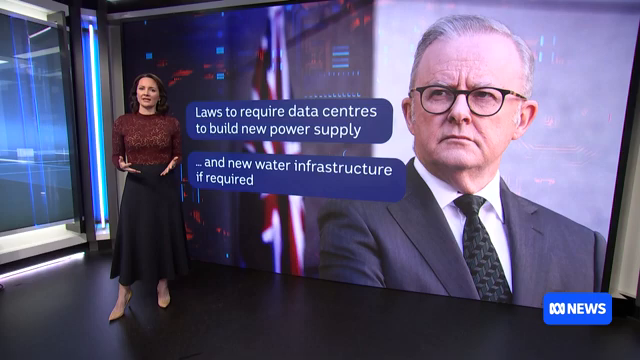
Australia’s artificial intelligence ambitions are driving an unprecedented boom in data centre construction. The federal government plans to introduce new laws requiring future data centres to match their electricity use with new power generation and fund water infrastructure where needed. The ABC speaks with Sasha Titchkosky from

This ABC News (Australia) broadcast, titled "AI backlash: What’s it like living near a data centre | ABC NEWS," focuses on the growing local, environmental, and regulatory backlash surrounding the surge of hyperscale AI data centers in Australia.

1. Introduction & Overview of Australia's AI Data Center Surge [00:00]

Government Plans: Following a long-awaited speech by the Prime Minister on regulating AI, new national frameworks are being proposed to govern data center construction [00:00].

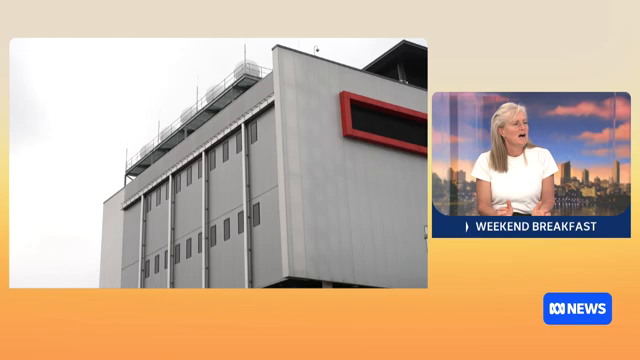
Resource Consumption: Data centers act as "building-sized brains" packed with advanced servers that consume massive amounts of power and require vast quantities of water for cooling [00:14].

Booming
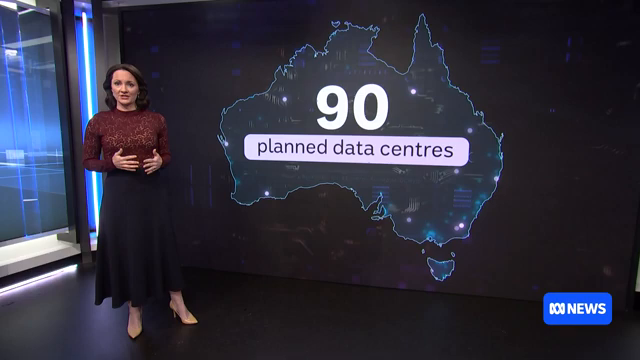
Image for chunk 1

Investment:

Australia is second only to the United States for data center investment, with current developments valued at over $15 billion AUD [00:47].

Approximately 90 new data centers are in various planning or approval stages [00:56].

Power Demand: Of the 162 existing large data centers in Australia, only a few exceed 100 MW of power consumption [01:04]. However, over half of the newly proposed facilities will exceed 100 MW each [01:12], threatening to more than double the industry's total electricity demand by 2030 [01:29].

+-----------------------------------------------------------------------+

| AUSTRALIA DATA CENTER GROWTH (EST. 2030) |

+----------

Image for chunk 2

-------------------------------------------------------------+

| Existing Facilities (162): [====] (Few > 100 MW) |

| New Pipeline (90): [==========] (>50% exceed 100 MW) |

| Total Electricity Demand: [====================] (>Double) |

+-----------------------------------------------------------------------+

2. Proposed Federal Regulations & International Precedents [01:38]

Proposed Laws:

Require data center operators to bring online or generate their own energy supply (matching grid intake) [01:38].

Force tech companies to pay for necessary additional water infrastructure [01:46].

Proposals will be presented to state/territory leaders a

Image for chunk 3

t the National Cabinet next month, targeting legislation by early next year [02:02].

Global Precedents (Olivia Shen, US Studies Center): [02:15]

United States: Highlights the importance of clear national standards to prevent developers from exploiting lenient jurisdictions [02:43].

Ireland: Requires new data centers to contribute an additional 80% renewable energy capacity [03:14].

Singapore: Imposes strict water and power efficiency ratings alongside national security and economic impact evaluations [03:22].

3. Local Community Impact: Case Study in Lane Cove (Sydney) [03:49]

Sasha Titikovski (Lane Cove Responsible Planning Group) discusses the reality of living near planned hyperscal

Image for chunk 4

e facilities [03:58]:

Lane Cove Area: Already hosts one facility, with four additional centers undergoing planning/pre-approval [04:11].

Goodman Proposal (10 Mars Road): A single proposed facility is predicted to consume 10% to 15% of the entire local government area's water supply and more electricity than the entire Lane Cove council region [04:50].

Water Concerns: Sydney Water requested that the proposal be paused until impacts on drinking water safety can be evaluated [05:40].

Private Gas Plants: To avoid grid constraint, operators elsewhere (e.g., Southern Highlands) are proposing dedicated gas power plants, which would consume more gas than any other single facility in New South

Image for chunk 5

Wales [06:22].

+-----------------------------------------------------------------------+

| SINGLE HYPERSCALE DATA CENTER IMPACT |

| (10 Mars Rd, Lane Cove) |

+-----------------------------------------------------------------------+

| Water Supply: [=== ] 10–15% of entire council area |

| Electricity: [====================] Exceeds entire council area |

+-----------------------------------------------------------------------+

4. Regulatory Deficits and Quality of Life Concerns [06:41]

Noise Pollution: Residents face a constant, 24/7 low-frequency hum produced by industrial air-condi

Image for chunk 6

tioning chillers [07:14].

Regulatory Confusion: Complaints about noise were shuttled between state EPAs and local councils, highlighting a lack of clear oversight framework for staged facility buildouts [07:22].

Community Advocacy Demands:

Calls for ministers to give local residents the same level of consultation access as major tech corporations (e.g., Anthropic) [08:10].

Rejects the "NIMBY" label, stressing that hyperscale facilities belong in heavy industrial zones, rather than 16 meters from homes, near national parks, or adjacent to river tributaries feeding into Sydney Harbour [09:40].

AI backlash: What’s it like living near a data centre | ABC NEWS

ABC News (Australia) · 25K vi

No image available for chunk 7

Viewer Discussion & Comments

@drex128
Pretty cool how 162 data centres have already been built with out regulation in place. Who signed off on this and why was this allowed to happen?
@yvonnedyer8370
Ah ha, no wonder we pay so much for our electricity!!!!
@nathanierwaiyo
How do we have more approved data centre. And no refineries for energy like oil?
@jackomancer
Who else is looking forward to mandated 2 minute showers and water rations? But it's worth it for google ai summary giving me some good gasoline cooking recipes ❤
@donthacknub
AI isn't smart enough to know AI will cause global warming increases on a massive scale.
@gailhargraves8675
The government must legislate to control these!
@OziBlokeTimG
AI is totally over rated. Just like getting married.
@lm6649
ABC will be defunct soon hopefully
@OziBlokeTimG
Exactly
@OziBlokeTimG
agreed